Drug Addiction & Recovery:
THE PROBLEMS:
Taken from our founder, Glenn Grant’s personal experience with his brothers drug addiction to cocaine, marijuana and methamphetamine, which nearly destroyed his brothers life and created a host of problems throughout the family. This created a life long mission and purpose to bring awareness and different choices that a person can make. In our program and outreach, we deal with the core foundation and systemic issues of where drug addiction emanates from. 48.4 Million Americans aged 12 or older battled a substance use disorder (SUD) in the past year. Our program is designed to bring awareness and arm people with new strategies to forge a different path away from drug and alcohol dependency.
Glenn was hired by the City of Chino’s Human Services Dept many years ago to work with at risk students as a Drug Prevention Speaker & Educator. He would also go on to work with Leroy Haynes Boys Home, since renamed as Haynes Family of Programs, a residential treatment facility for boys aged 7-18 with specialized mental health and educational support. His first hand experiences coupled with these work assignments give him the deep understanding needed to help others who are struggling and falling through our society’s cracks.
THE SOLUTIONS:
4 Step Program to Bring Awareness, Education & Support:
Our 1st step is to leverage the impact of our Spoken Word Musical The Awakening to bring awareness of how drug addiction destroys a persons life. Through powerful stories illuminated by the backdrop of live music & theatrical storytelling, we create a narrative of what is possible once someone moves on from their addiction. At this point, we aim to move & inspire a person struggling with addiction. We also focus on partnering with drug treatment facilities so that we can work with people having just completed a drug recovery program at a treatment (rehab) facility, helping them gain the initial awareness of what is possible.
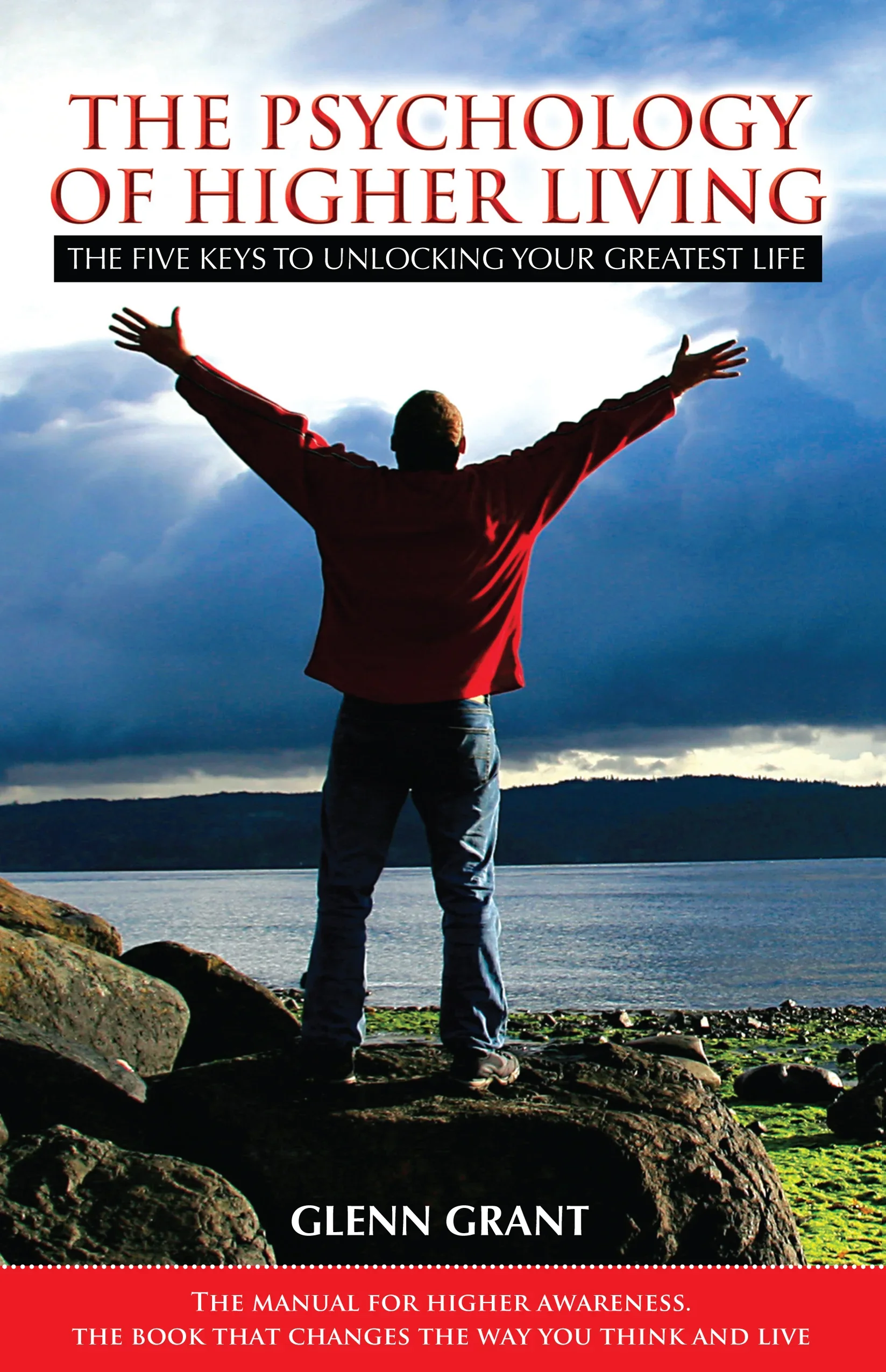
Our 2nd step is to arm the person with free books that will provide critical new information, ideas, tools and strategies to take steps to rebuild their lives. Books, (access to the right information) can and often is a game changers in a person’s life. We use many books from a wide variety of authors to help provide critical knowledge. Operating as a non-profit we are not selling books to our at risk population. Part of our funding helps support giving these books to people that express the desire to learn from them. None of our books seek to discuss politics or religion, rather we leverage the power of personal development with specific life strategies to help people on their recovery journey. One of the books we use is The Psychology of Higher Living by our founder, Glenn Grant. The book details the devastating nature of his brother's addiction and the steps his family has done to recover. It also introduces people to personal development which addresses critical issues like nutrition, understanding Maslow’s hierarchy of basic human needs to name just a few and shows people a path towards making better life choices. None of these critical life skills are taught to us in junior & senior high school. If it was, we wouldn’t have the epidemic of drug addiction that we are facing in this country.
Our 3rd step is our intensive one day workshop program on Life Skills that is comprehensive. Glenn first wrote a detailed Life Skills Curriculum that was going to be turned into an after school program many years ago. This experience led to the intervention & prevention workshops we have designed. What stops many people from turning their life around is access to the right information, a supportive community and rich dialogues where someone can learn new strategies at creating a better life. We seek to arm people with these critical interventions so they can be become fully functioning and contributing members of society, even in the face of dealing with devastating life issues. With more funding in place, we can expand these programs and expand how many people we can reach and serve.
Our 4th step is to join our online community for continued support. Loneliness & Isolation is considered to be at epidemic levels according to the United States Surgeon General. Being isolated and feeling unsupported lead to relapses and continued struggles with addiction. Between 40-60% of people dealing with drug addiction will relapse in their first year. It is vital that we keep people connected and supported so they can have a chance to become thriving members of the community. Isolation leads to more suicides and is one of the contributing cognitive factors of why people develop Dementia, to name just a couple of the negative consequences associated with loneliness.
Dementia & Alzheimers
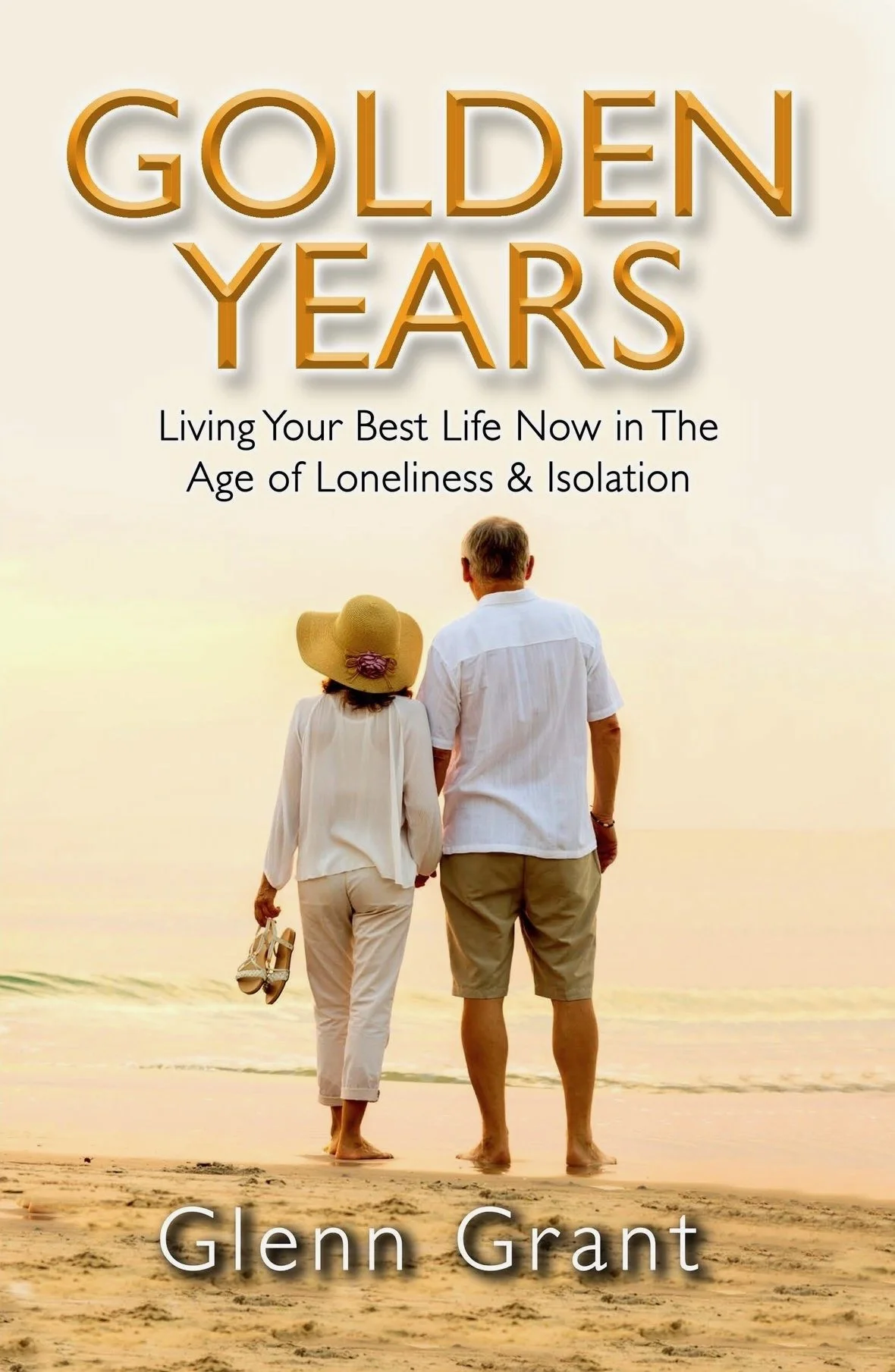
This devastating and insidious disease has shaken Glenn Grant’s family to its core. Glenn’s father suffers from Dementia along with 7.2 million Americans and 50 million other people worldwide. In addition, Alzheimers ravaged Glenn’s step mother and led to her eventual death. New and compelling researched that Glenn shares in his book on aging, physical & mental wellness, Golden Years shows that people can take 3 critical steps that will drastically reduce a person’s chance of developing Dementia. They are, 1) Nutrition, 2) Physical Fitness and 3) Social Connections. Isolation and loneliness are significant public health issues that severely impact mental and physical health, with effects comparable to smoking up to 15 cigarettes a day. They increase the risk of premature death, heart disease, stroke, diabetes, dementia, and mental health disorders like depression and anxiety.
Physical Health Impacts
Cardiovascular Disease: Social isolation increases the risk of heart disease by 29% and stroke by 32%.
Immune System Dysfunction: Chronic isolation weakens the immune system, leading to higher susceptibility to infections.
Increased Mortality: There is a 50% increased risk of developing dementia and higher risk of premature death.
Inflammation: Loneliness is linked to increased inflammation, which can affect cognitive function.
Physical Ailments: Associated with high blood pressure, obesity, and poor sleep quality.
Mental and Cognitive Health Impacts
Mental Health Disorders: Strong links exist between isolation and anxiety, depression, and suicidal ideation.
Cognitive Decline: Loneliness is a risk factor for faster cognitive decline, including Alzheimer's and dementia.
Emotional Regulation: Socially isolated individuals may experience higher stress, anger, and feelings of being threatened.
Societal and Behavioral Consequences
Economic Impact: Loneliness reduces productivity, leading to lower academic performance and job instability.
Behavioral Changes: Increased risk of alcohol abuse and other unhealthy coping mechanisms.
Vulnerable Populations: While widespread, certain groups like sexual and gender minorities and the elderly are particularly at risk, often due to lack of social support systems.
Addressing this crisis requires a combination of "social fitness" and community-based support to mitigate these profound, long-term health risks.
Health: Heart Attacks & Strokes:
Glenn walked into his mother Nancy’s room, only to find her lying on the floor, dead from a stroke at just the meager age of 51. This trauma has led to a life of advocacy and awareness that Glenn has shared with thousands of people. Stroke is a leading killer in the United States, ending the lives prematurely of 140,00 each year. It is the 5th leading cause of mortality in our country. In the U.S, heart disease causes 1 in 5 deaths, with over 370,000 deaths each year while over 800,000 people in the United States suffers a heart attack each year.
Glenn’s best friend of more than 20 years, Ray Magnussen, died from a heart attack at the age of just 58. Glenn had just spoken with his friend a few days earlier. Know one should die prematurely from heart attacks and strokes in their 40’s & 50’s and yet, at alarming rates, they are and it destroys people lives in the process. This can be fixed, but it starts with awareness and access to changing how people live, arming them with cutting edge information on diet, nutrition, healthy life style choices and getting them connected to a community of support and education—this is the vital role that The Institute for Human Development plays and it all starts from a life changing night at our Performing Arts Musical— The Awakening. The wake up call that begins a new chapter in a person’s life.
Economic Empowerment, Financial Literacy:
Movement of families between social strata and their ability to improve their wealth and economic status is a prime focus on this program. This includes a person’s autonomy, power and ability to influence his or her environment and personal outcomes. Recent data shows tens of millions of Americans are in poverty (around 36-38 million) by official measures, while far more struggle financially, with over half living paycheck-to-paycheck (60-70%) and struggling with unexpected expenses, driven by inflation, rising costs, and low savings.
THE PROBLEMS:
By Official Poverty Measures:
36.8 million people: (11.1%) were in poverty in 2023, according to the U.S. Census Bureau.
By Financial Strain & Insecurity (Broader Definition):
Paycheck-to-Paycheck:
Around 60-70% of U.S. adults live paycheck-to-paycheck, meaning they have little to no money left after essential expenses, according to 2025 studies. Nearly 60% of Americans would struggle to pay a sudden $400 bill, with this number higher for young adults and lower-income households.
Financial Difficulties: 19% of all Americans have zero money in savings. This represents 77 million people in the United States.
THE SOLUTIONS:
As outlined in detail above, our 4 step process is where we can affect powerful change into a person’s life and help them create the economic sustainability needed. Our intensive Life Skills workshops, books and online community of support help create a powerful circle of education and support. Glenn started his first business at the age of just 18 years old. He spent many years in investment banking, helping companies with their business plans. This experience, along with many years as a real estate investor & developer has served to help him write this life changing book on personal finance. People fall through the cracks of our society and don’t achieve financial independence in part because they don’t have access to information and education on money that can guide them. Further, our failure as a country to teach financial literacy to high school students create a horrendous gap in knowledge to properly equip young people and prepare them for their lives ahead. Our Institute aims to change that through our programs and performing arts initiative.
Domestic Violence Against Women:
THE PROBLEMS:
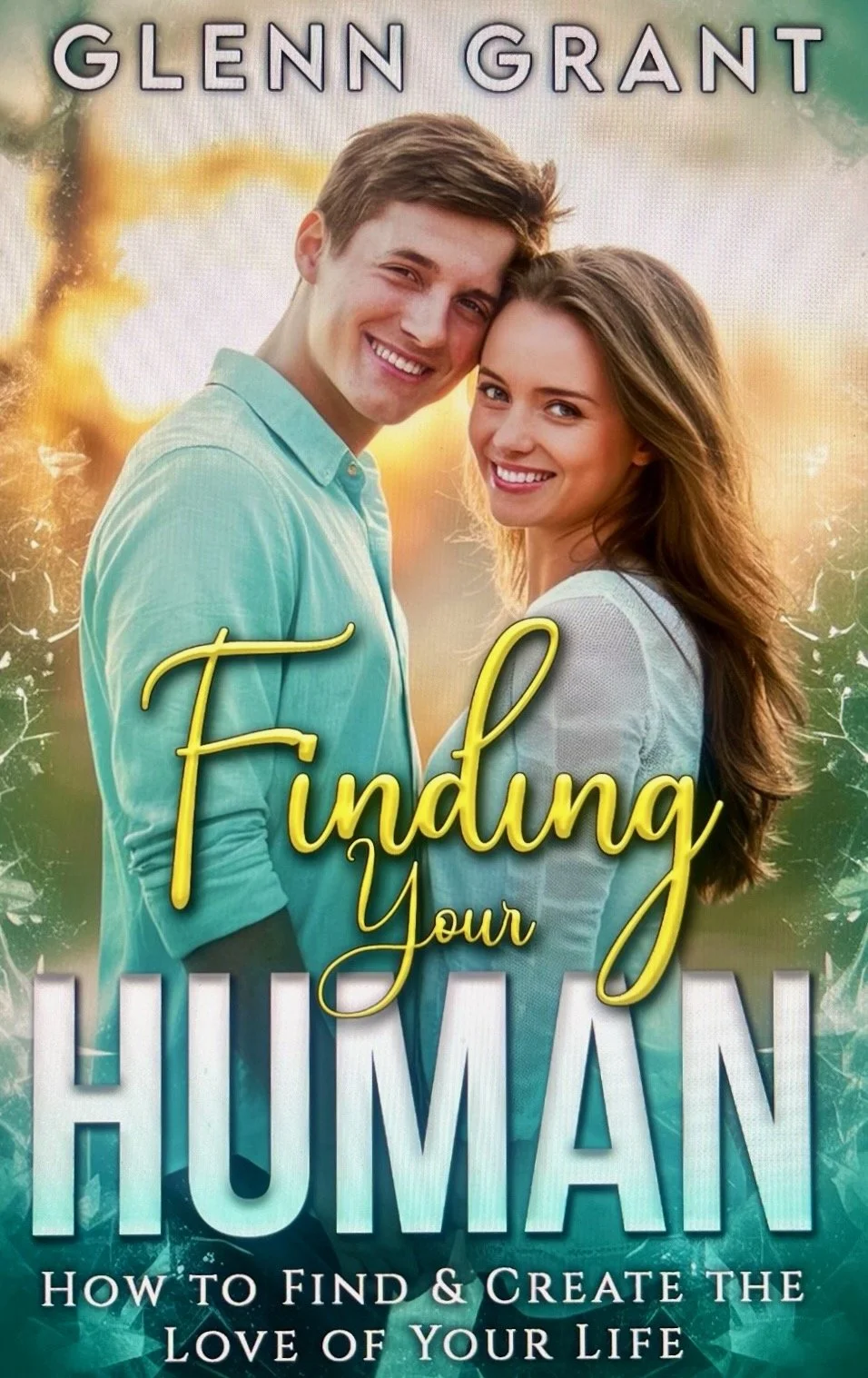
According to the National Coalition Against Domestic Violence, every year, between 960,000 and 3 million incidents of domestic violence are reported each year in the United States. Our founder, Glenn Grant’s first hand experience with this came in the form of his ex-girlfriend being murdered by her husband, in front of her children in her home, in Irvine, California. This horrific crime was committed in Irvine California. Yolanda Santoyo Snyder’s death had a profound impact on Glenn in the years following and served as the catalyst for writing his book, Finding Your Human. Picking the wrong life partner and not recognizing the danger signals can lead to horrendous consequences. We are not taught emotional intelligence or any form of relationship skills during our critical high school years. We enter adulthood fully unprepared to navigate the complexities of romantic relationships. We only need to look at our divorce rates of nearly 60% evidenced by the millions of affected children who grow up in a broken home. This has a major and harmful impact on society as a whole. A child of a broken home himself, Glenn Grant speaks from personal experience having witnessed his parents divorce at 13. What’s at stake here is the fabric of the American family as it is becoming increasingly eviscerated and eroded as we don’t teach young adults how to form and create successful families.
THE SOLUTIONS:
We seek to partner with Domestic Violence Shelters in Southern California to bring women into our show, so that they can begin to feel the hope at building a better tomorrow. This powerful story of tragic loss as told by Glenn from the stage is an awareness that can show other women what the warning signs are and to help them make better life partner choices for their future.
Life Skills:
Life Skills are not taught in school as evidenced by the systemic issues facing our society today writ large. Our country stands on the precipice of a major shift away from family values.
THE PROBLEMS WE ARE FACING AS A SOCIETY:
Approximately 45% of Americans who have ever married will have experienced a divorce by the age of 46.
Approximately 1 in 10 Americans (10%) will file for bankruptcy at some point during their lifetime, with the highest rates of bankruptcy filings historically concentrated among those aged 35 to 54. By age 40, a significant portion of the population is in this peak risk demographic.
Data indicates that approximately 40% of adults between the ages of 26 and 49 have reported a mental health or substance use disorder within the past year.
Approximately 50% of American children will experience the divorce of their parents by the time they reach adulthood, with a significant portion of this occurring before high school graduation. Studies show that about one-third of school-age children witness their parents' divorce, and nearly half of all children are not raised by both married biological parents and yet we don’t teach life skills to students in the United States because we expect the parents to do that? That doesn’t make sense and doesn’t get done because a large stratum of homes are becoming broken from divorce, leaving parent’s stressed out, emotionally vacant and in survival mode. The net result is our kids graduate high school woefully unequipped for the real world, other than some basic math and reading skills. I experienced this first hand as my parents divorced when I was 13 and know one taught me any life skills at all.
Glenn Grant, 2026
Factors beyond the schoolhouse door—the legacy of race-based redlining, the underfunding of health care for the worst off, the lack of support for child care and parental leave, and other social and economic policies—remain hugely impactful. But inside the education system itself, the fundamental cause of poor outcomes is that education policy leaders have eroded the instructional core and designed our education system for failure according to the Fordham Institute.
In a recent study by Programme for International Student Assessment (PISA), out of 81 countries, the U.S. ranked 9th in reading, 16th in science, and 34th in math.
Life skills are not widely taught in U.S. schools primarily due to budget constraints, lack of specialized teacher training, and intense focus on standardized test performance. Curriculum, or “mission creep,” and the belief that these skills are the responsibility of parents also limit their inclusion
Several countries integrate life skills—such as financial literacy, cooking, emotional intelligence, and critical thinking—directly into their curriculum to prepare students for adulthood. Top examples include Finland (focusing on empathy and well-being), Norway (health/life skills), Switzerland (vocational training), and Singapore (social-emotional skills).
Key details on countries teaching life skills:
Finland: Integrates mindfulness, collaboration, and emotional awareness into the curriculum, prioritizing student well-being over strict test scores.
Norway: Implemented a curriculum (LK20) in 2020 focusing on "health and life skills," including mental health, to address societal challenges.
Switzerland: Features a strong, integrated vocational education and training (VET) system, often starting practical skill acquisition early.
Singapore: Focuses on global literacy, cross-cultural skills, and comprehensive arts/physical education.
Vietnam: Integrates soft skills like decision-making, critical thinking, and emotional management into general education.
Caribbean Nations: Use the Health and Family Life Education (HFLE) program to teach self-awareness, interpersonal relationships, and healthy lifestyles.
By age 40, many Americans experience a "milestone pileup" characterized by compressed, high-stakes life changes, including career pressures, marriage, intense parenting, and caring for aging parents. This period often brings a midlife crisis (around 40-60) or a quarter-life crisis (25-33), marked by deep questioning of identity, career, and mortality. Common crises include:
Career & Financial Stress: Feeling stuck, unfulfilled, or behind in professional goals, as well as financial pressures related to homeownership or debt.
Relationship & Family Strain: Relationship doubts, divorce, the pressure of balancing young children with demanding careers, or the strain of caring for aging parents.
Health & Aging Anxiety: Confronting the physical reality of aging, such as declining stamina, chronic pain, or chronic illnesses like high blood pressure, arthritis, and hormonal changes.
Identity & Life Purpose Crisis: A feeling of existential dissatisfaction, questioning "Is this all there is?" and realizing that time is limited.
FOMO (Fear of Missing Out): An intense desire to make changes to one's life before it is "too late".
These experiences are often exacerbated by modern social, cultural, and economic pressures, leading to increased anxiety and, for some, a sense of "languishing.”
SOLUTIONS:
Proper funding of our Life Skills workshop will allow us to expand the program to thousands of people and help them gain access to critical information so they can build a more successful family and life in general.
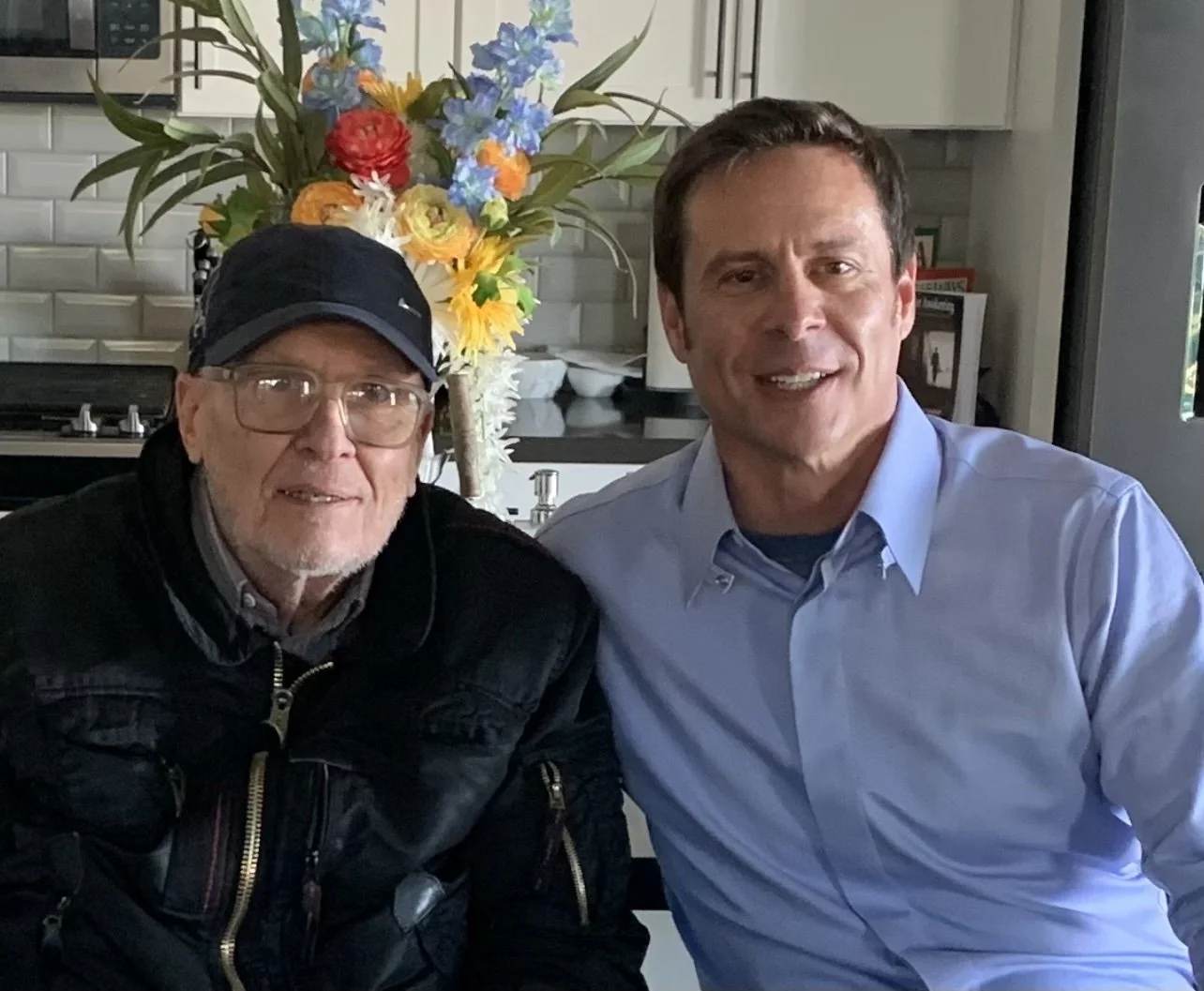
Glenn’s father who is dealing with an advanced form of Dementia that requires 24 hour care & supervision

Nancy, Glenn’s Mother. He walked into her bedroom only to find her dead from a stroke. She was just 51.
Ray Magnussen 1960-2018
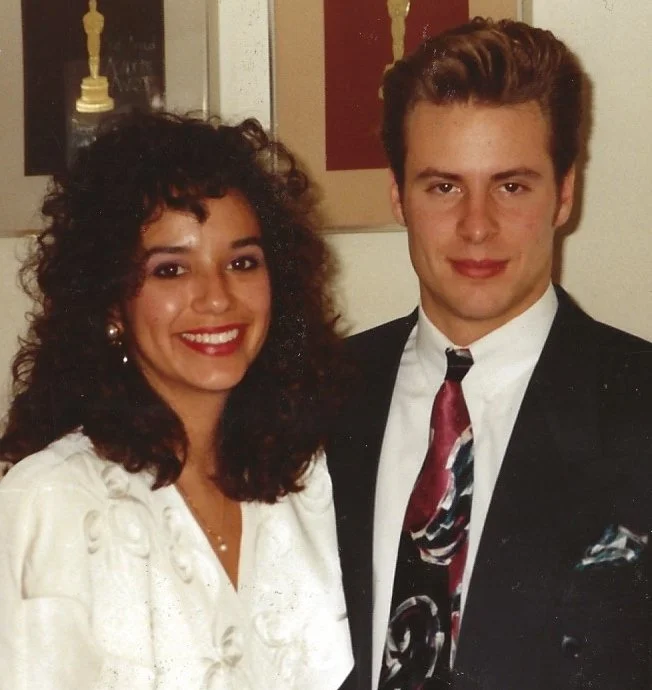
Yolanda Santoyo & Glenn